


Bathroom Vanities
Choose a style, size, brand or colour to filter and compare.
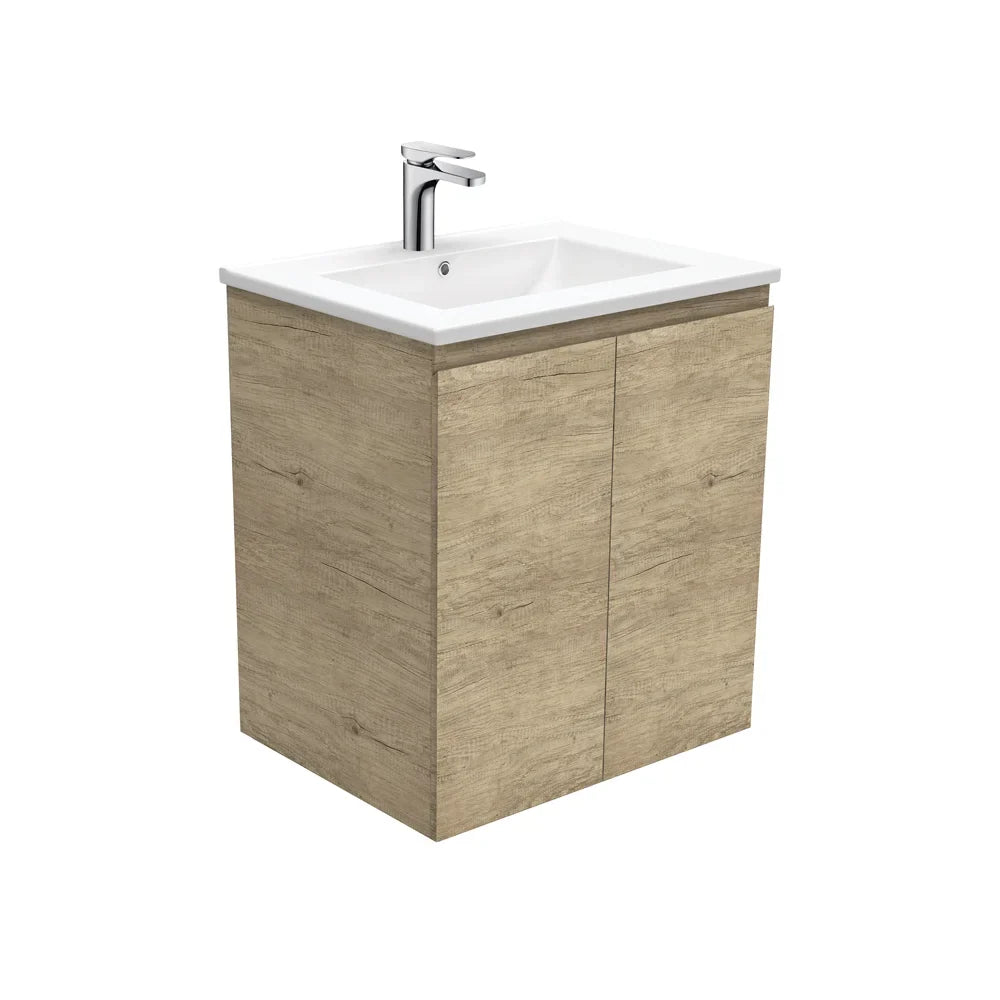

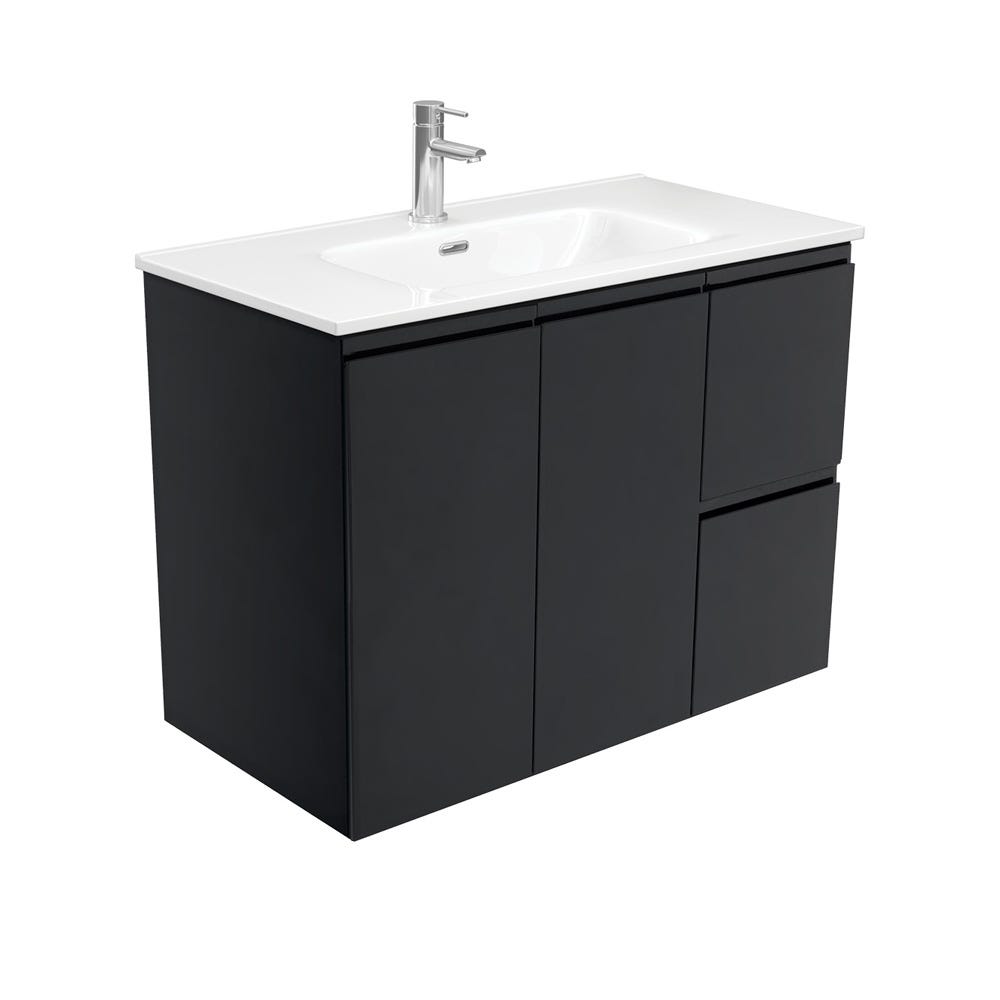
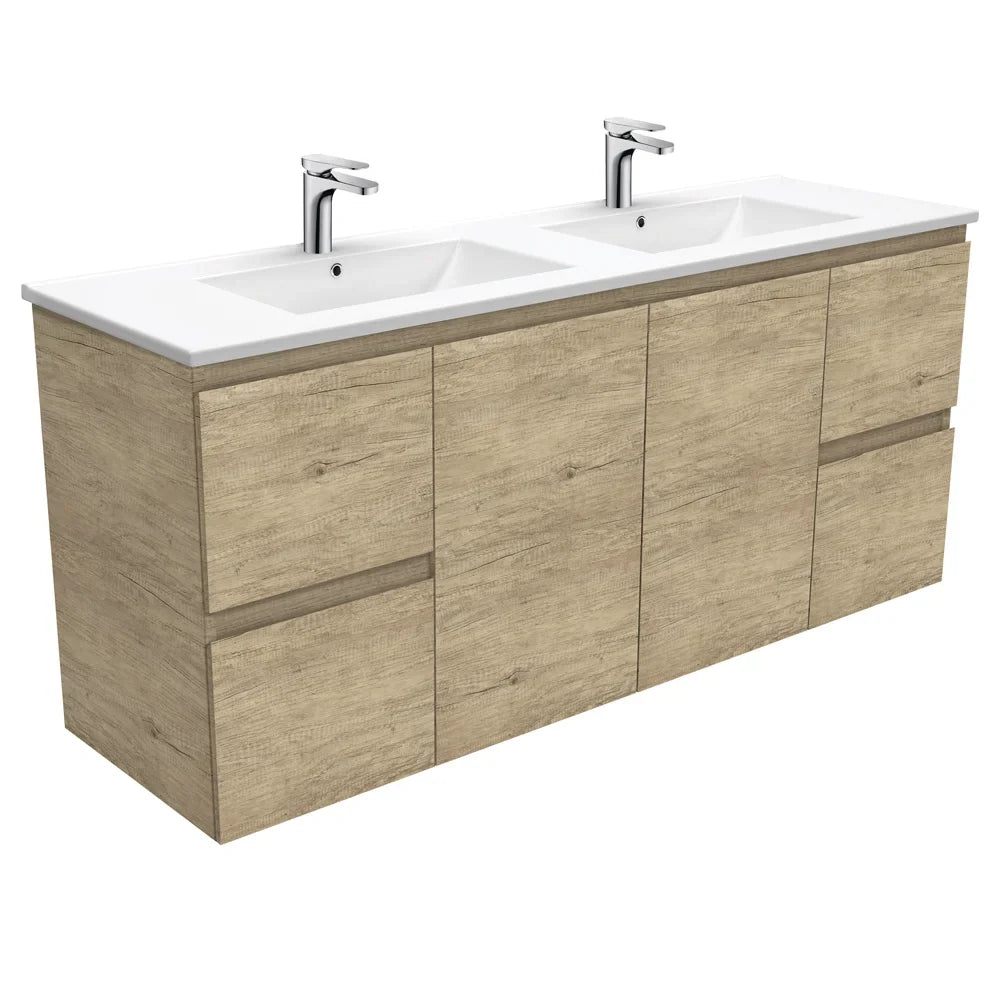


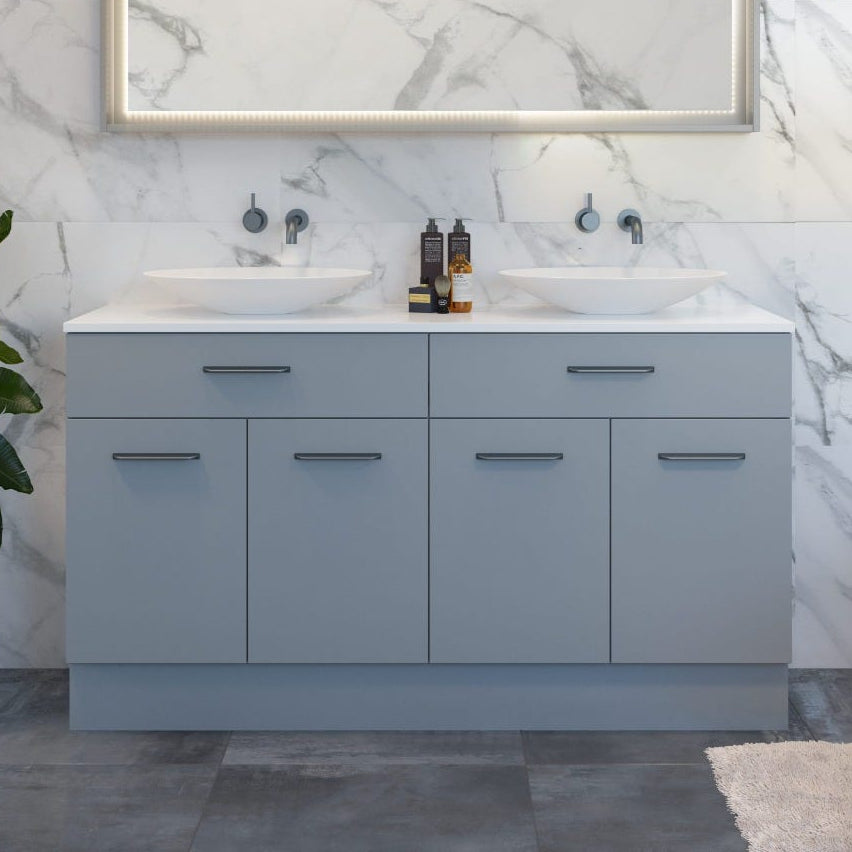
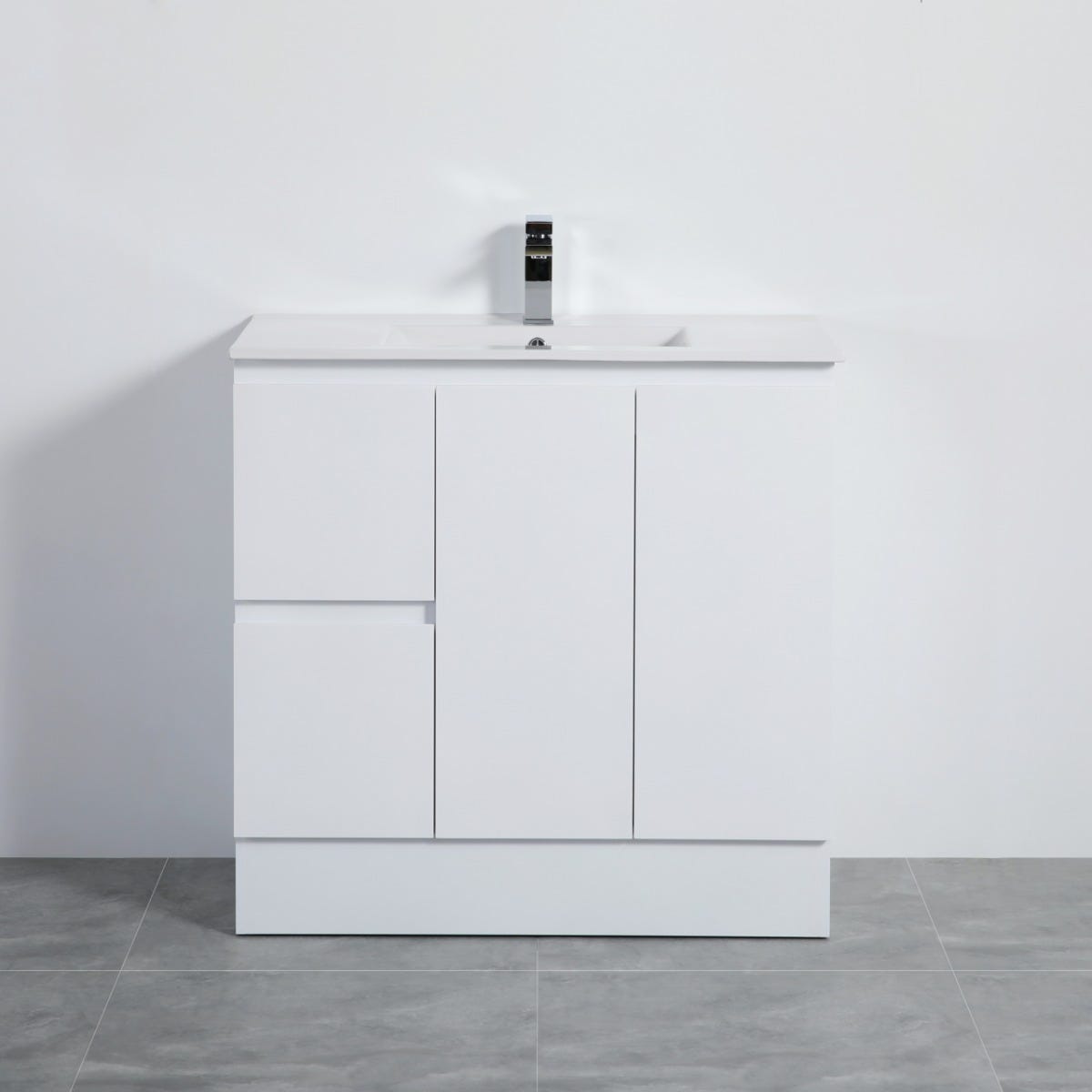

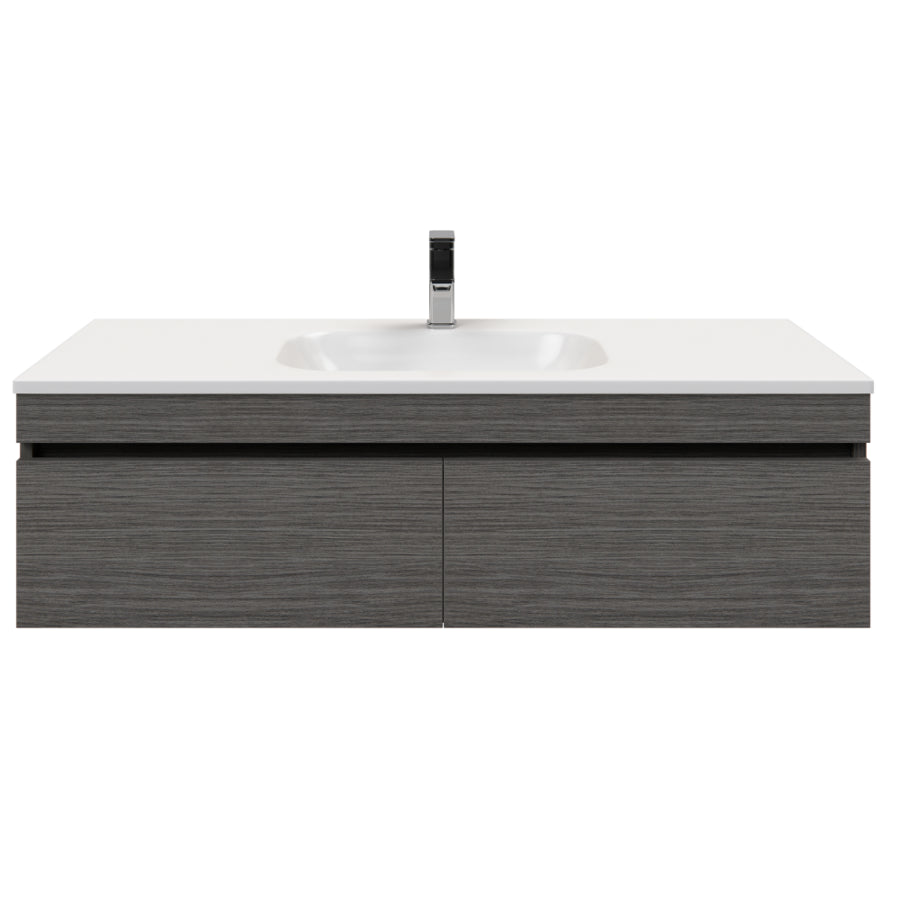

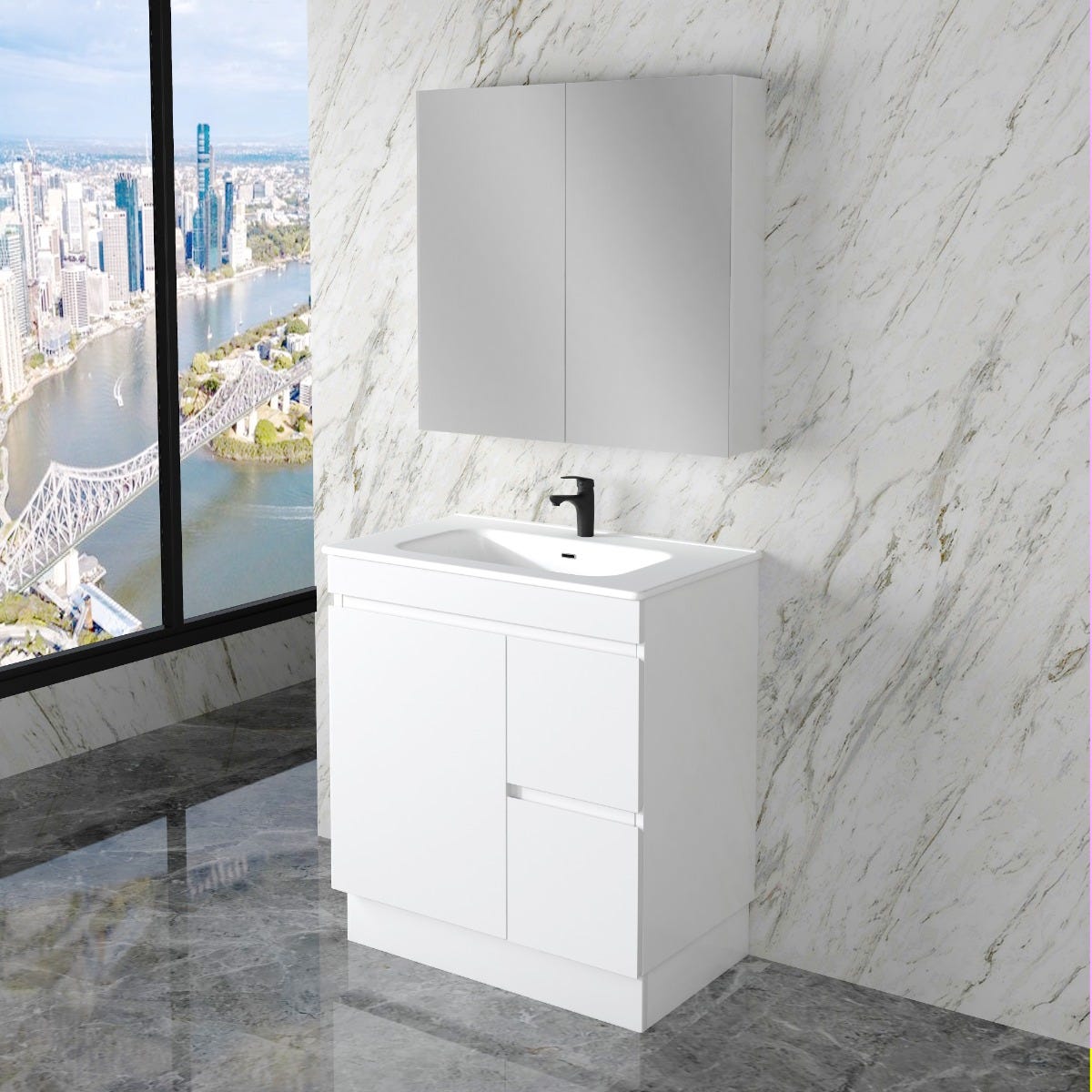
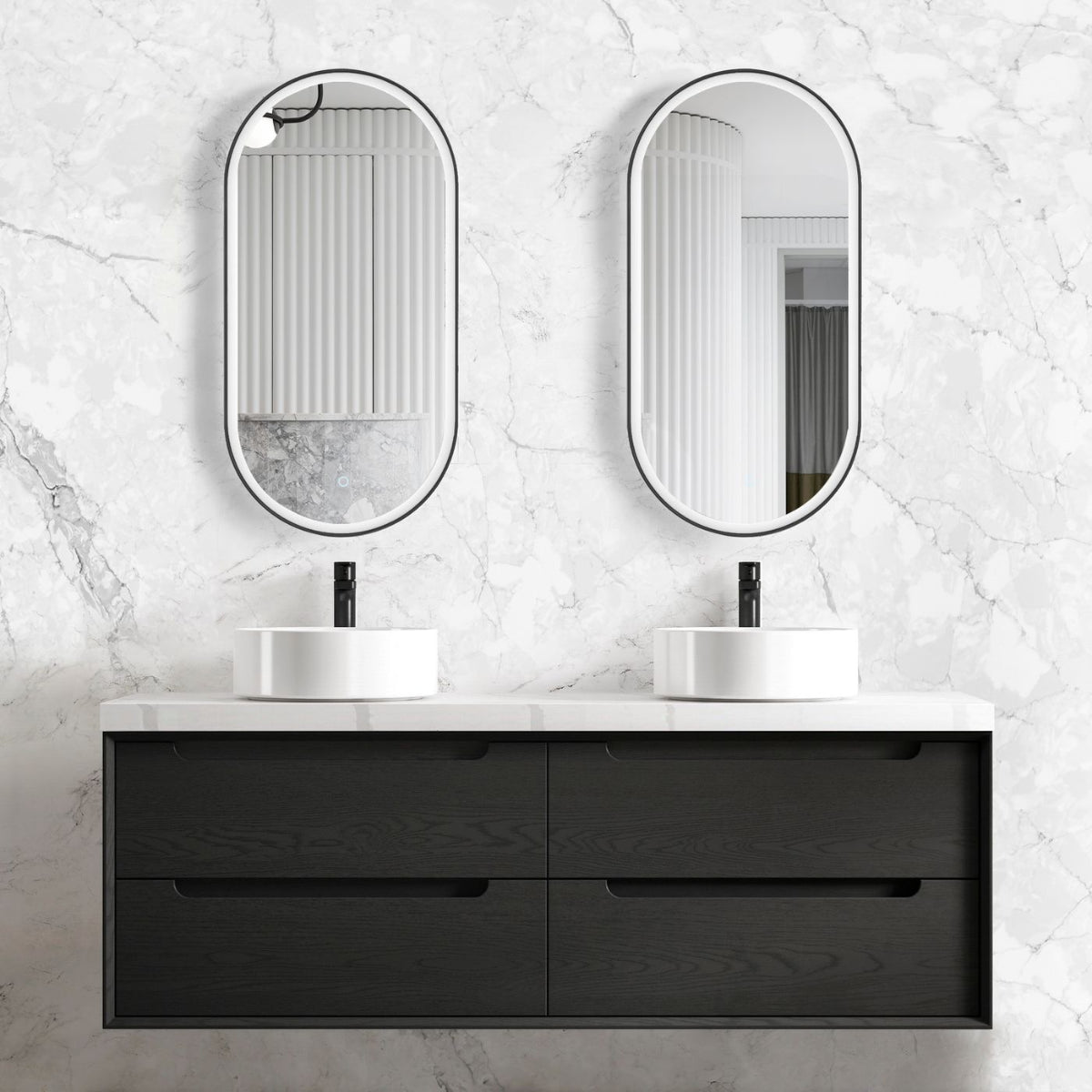

Shop by colour
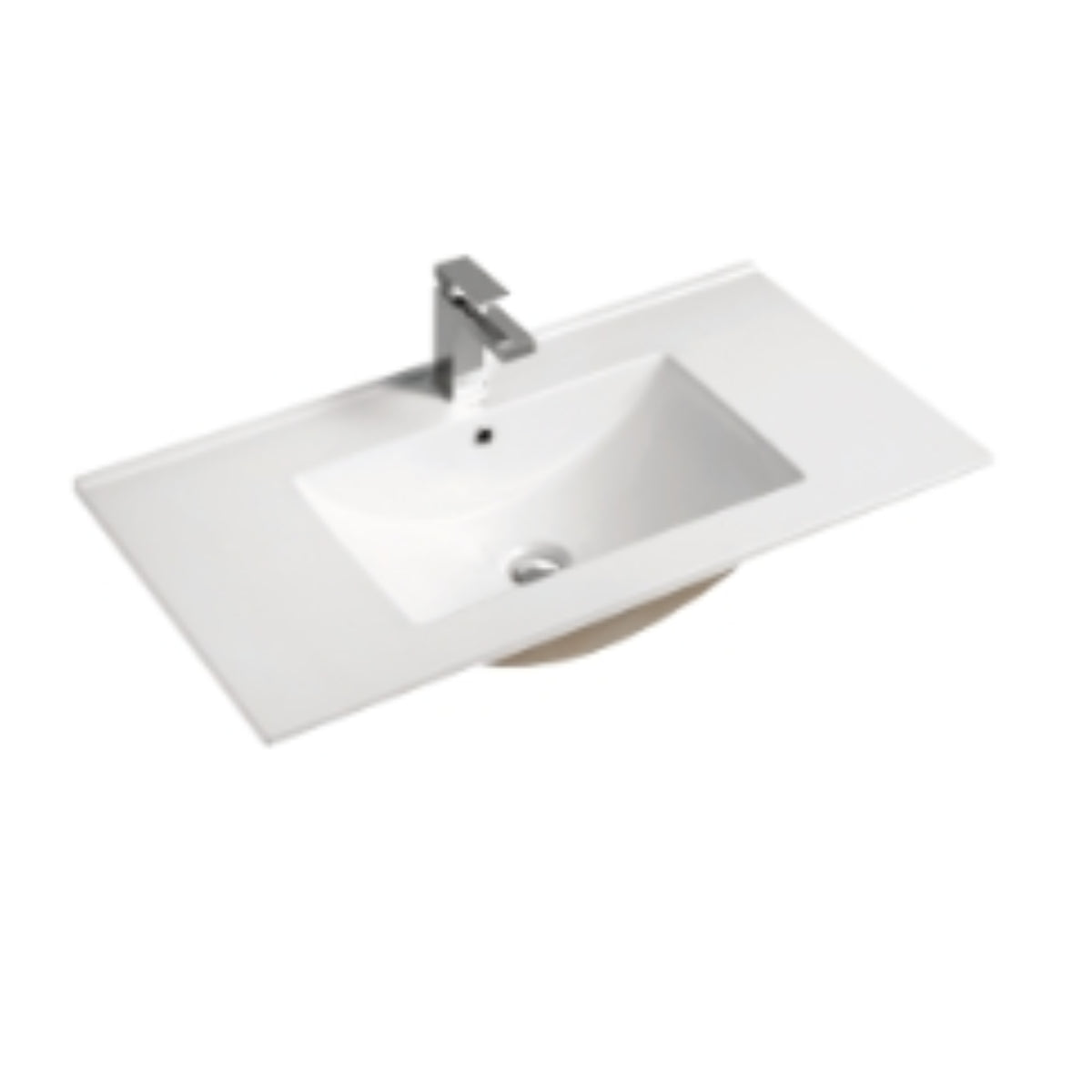


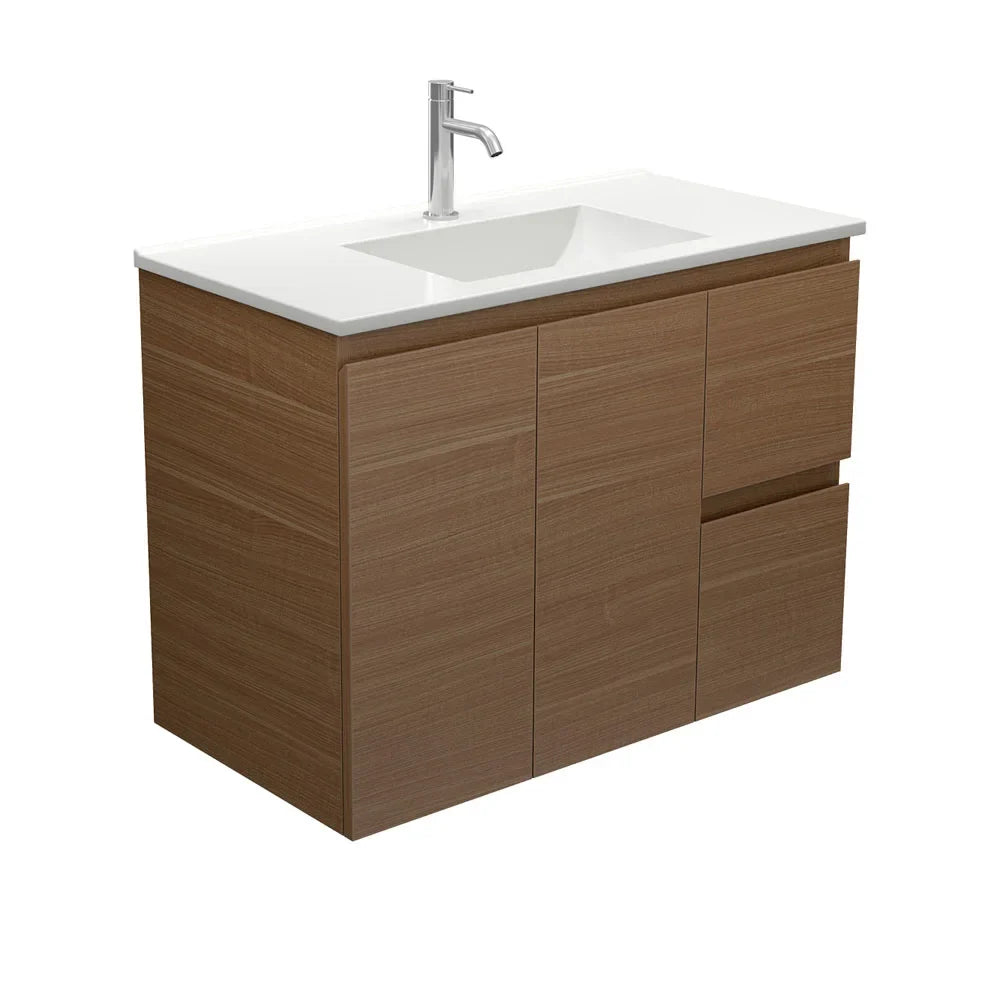
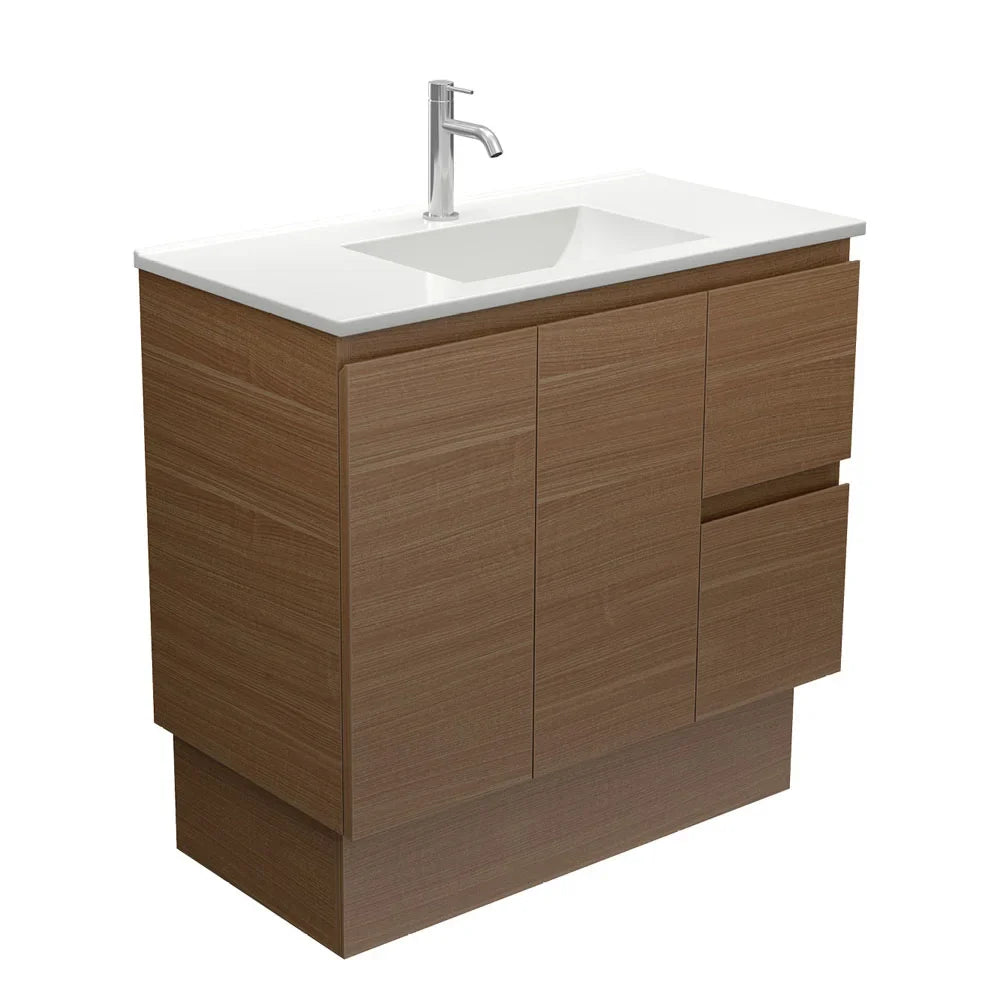
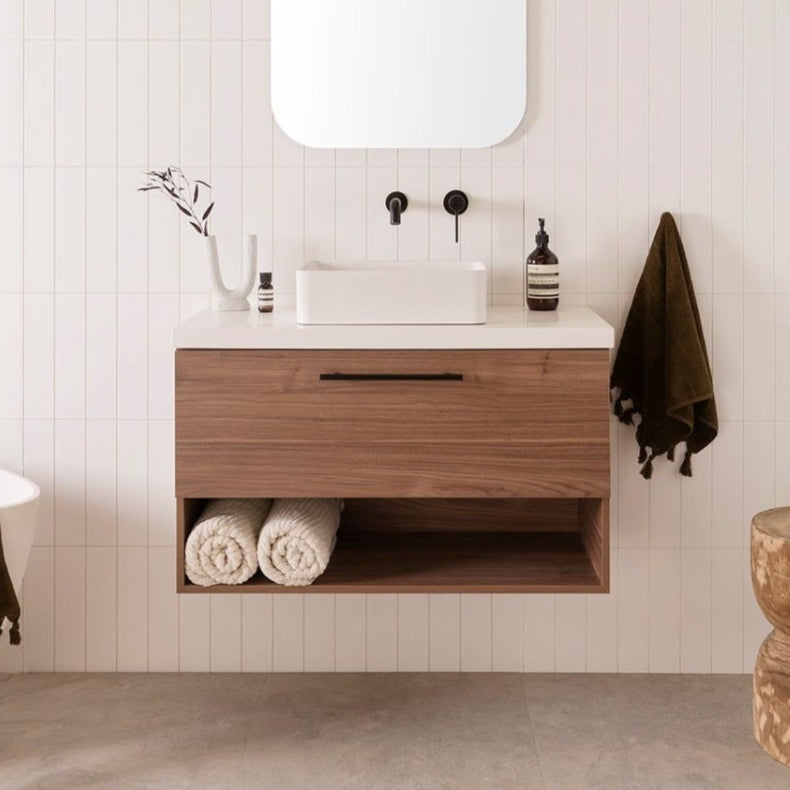
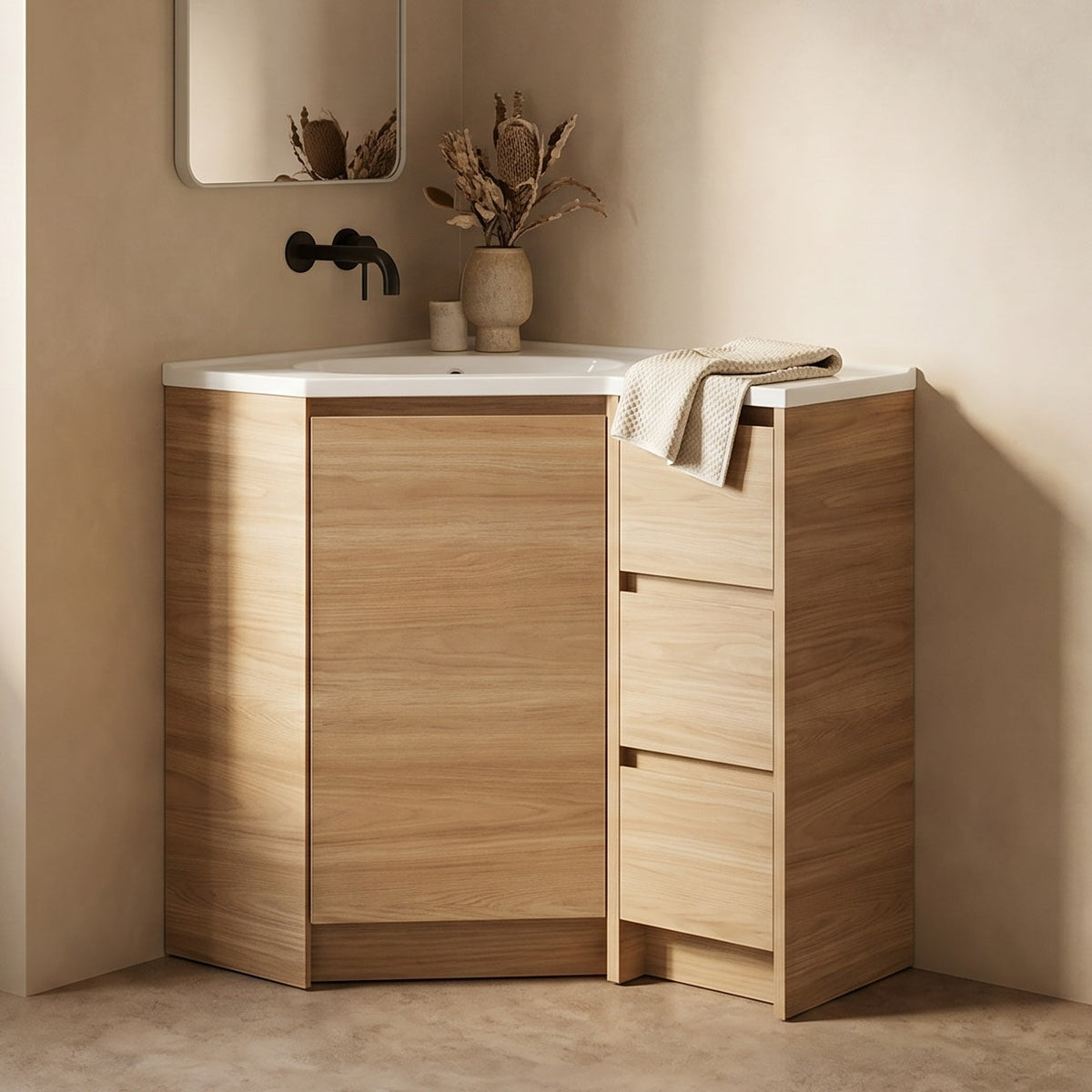
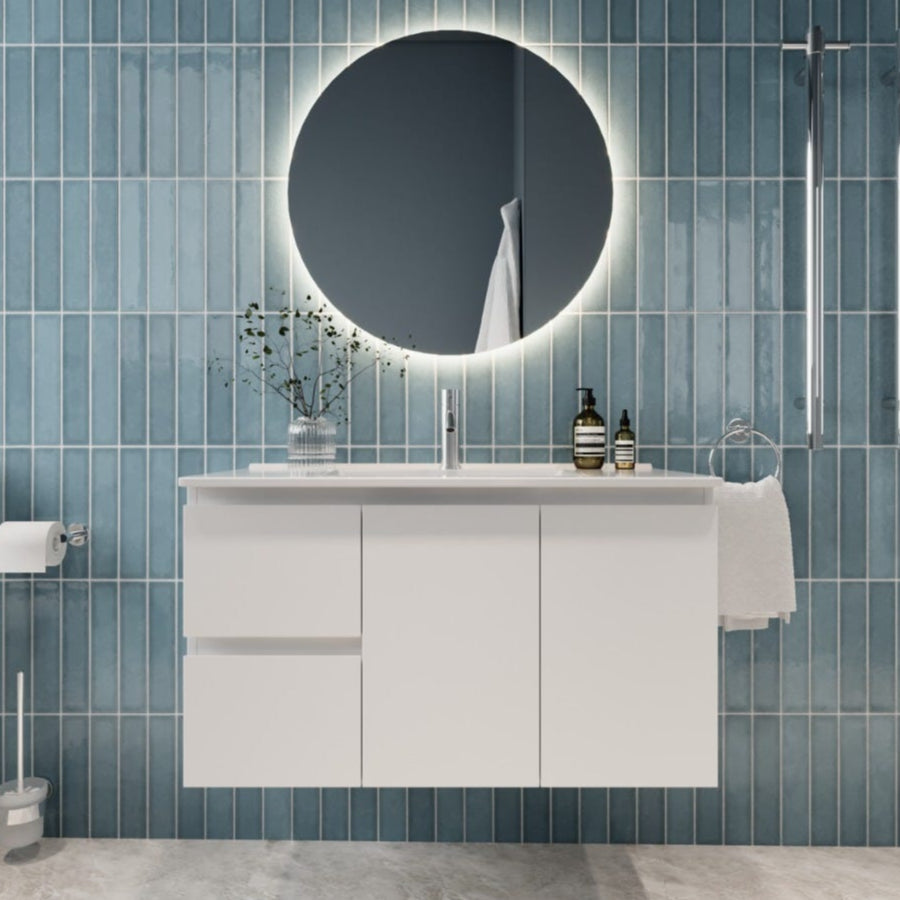
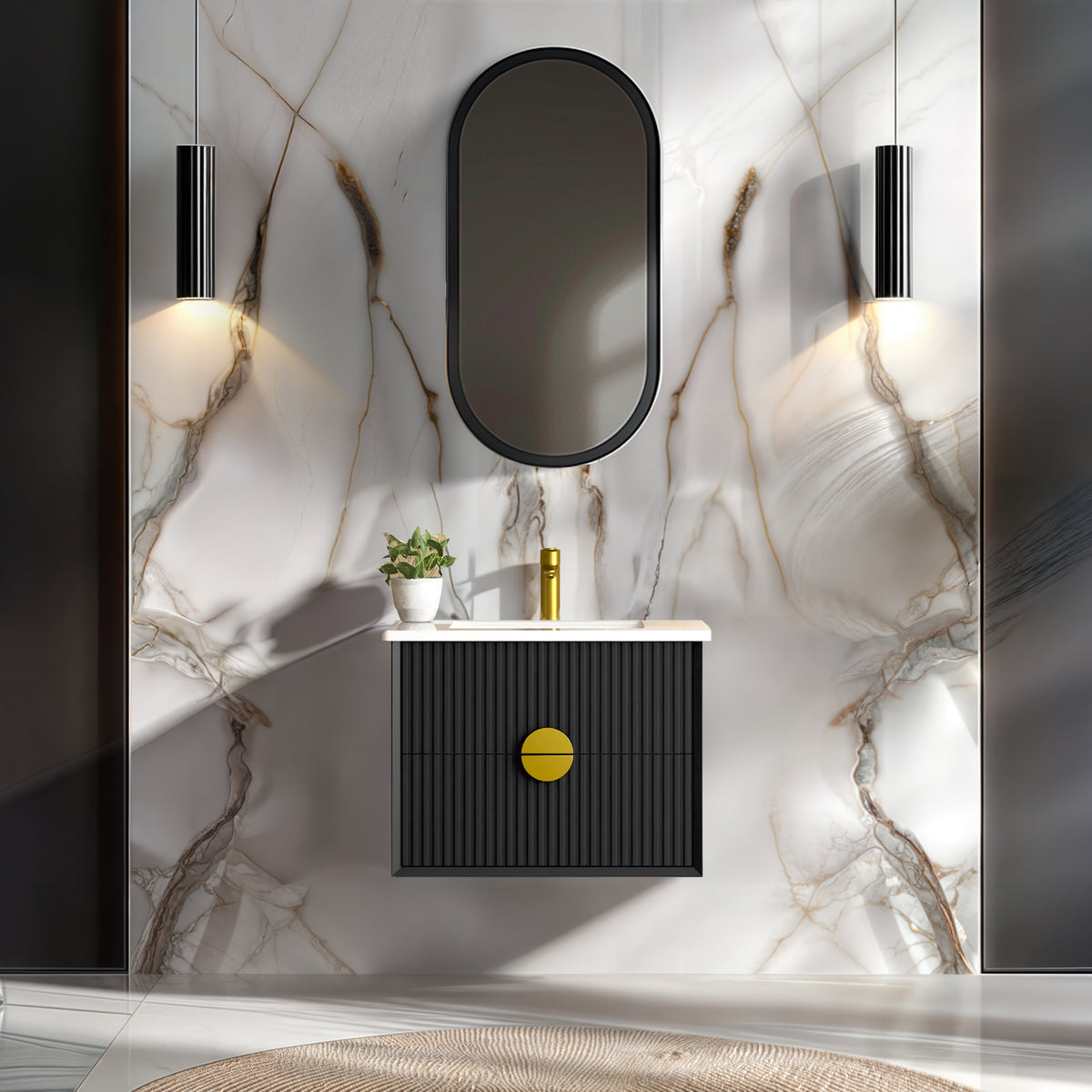
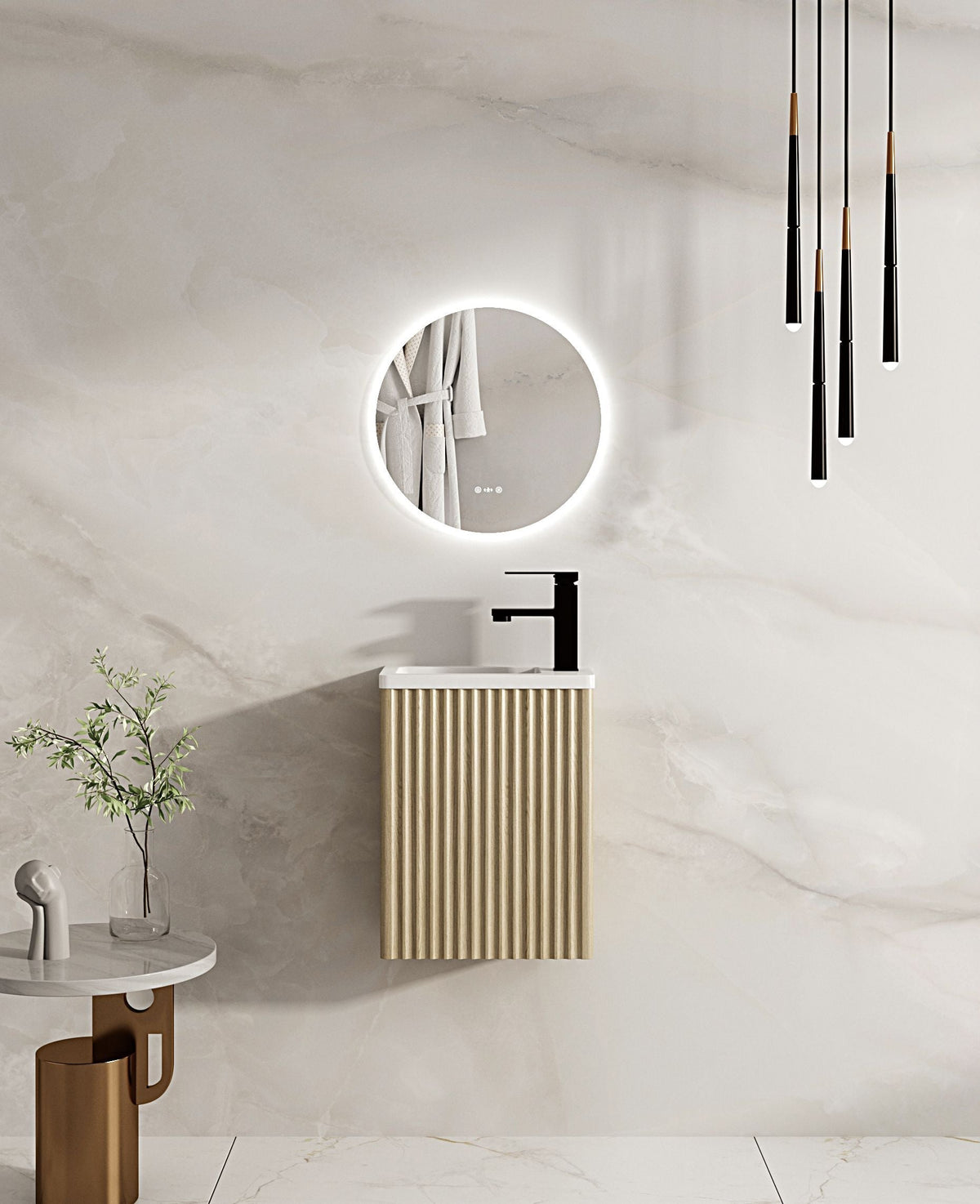
Renovation Kingdom’s bathroom vanities collection includes wall hung and freestanding vanity units in single and double basin layouts. Sizes run from compact powder room units to wide master ensuite vanities, with a choice of finishes, tops and basin types.
Start with the wall you’ve got, then choose the vanity that fits it.
What size bathroom vanity do I need?
Measure the wall where the vanity will sit and work with the smaller measurement. Then allow for the door swing, the toilet and any shower screen beside it.
Vanity units around 600mm suit powder rooms and tight ensuites. A 750mm to 900mm bathroom vanity covers most small family bathrooms, and 1200mm or wider suits a main bathroom with more bench space. Depth matters as much as width. Most units run 450mm to 550mm deep, with slimline options for narrow rooms. If a size looks borderline, go narrower.
Should I choose a wall hung or freestanding vanity?
Wall hung vanities leave the floor visible, which makes a small bathroom feel larger and makes cleaning easier. The wall needs solid framing behind the lining, so it’s best decided before the walls are closed up.
Freestanding vanity units sit on the floor and need no wall reinforcement. They usually offer more storage and are often the simpler swap when the walls are finished and the plumbing comes through the floor.
Do I need a single or double basin vanity?
About 1500mm is the practical minimum for two basins side by side. At 1800mm, each person gets more elbow room and a little bench between the bowls. A second basin also adds plumbing, which affects installation cost.
If the room can’t take that width, one basin on a wide top is usually more comfortable than two cramped bowls. Bowl position matters too. A centre bowl balances the bench, while an offset bowl leaves a clear run for toiletries.
What are bathroom vanities made from?
Look for a moisture-resistant carcass, such as MR or HMR board, with sealed edges. Tops are commonly laminate, engineered stone, porcelain or timber veneer.
Laminate suits tighter budgets. Engineered stone and porcelain resist staining, which helps in a busy family bathroom. Timber adds warmth but needs a good seal against humidity. Matte and satin fronts also hide fingerprints better than gloss.
What should I check before ordering a vanity unit?
Check where your waste and water supply sit. A vanity that doesn’t line up with your existing pipework means paying to move it.
Confirm the tap hole count against your tapware: none for wall mounted taps, one for a bench mounted mixer, and three for a separate spout and handles. Make sure drawers and doors clear the toilet and shower screen. Then ask a licensed plumber to confirm the fit before you order.
Filter by width, finish and basin type to narrow the range, or speak to the team at our North Parramatta or Taren Point showroom for help choosing.
FAQs
How much does a bathroom vanity cost?
Price follows size, top material, basin count and whether the unit is wall hung or freestanding far more than it follows style. A compact laminate vanity sits at the lower end, and a wide double with a stone top sits at the other. Filter by size and finish first so you’re comparing like with like.
Can I replace a bathroom vanity without renovating the whole bathroom?
Usually, yes. The shower, toilet and tiling can stay where they are. The new vanity’s waste and water positions need to match the old ones, or the pipework has to be adjusted, so check these before you buy.
What height should a bathroom vanity be?
Floor-standing vanity units typically finish at 850mm to 900mm. Wall hung units are set at installation, usually between 800mm and 900mm, so you can choose the height that suits the main user.
What’s the difference between a laminate, stone and timber vanity top?
Laminate is the budget option, though it handles heat and scratches less well. Engineered stone and porcelain resist water and staining. Timber and veneer add warmth but need a good seal and regular wiping down.
What size mirror should I hang above a vanity?
Aim for a mirror about as wide as the vanity or slightly narrower, and no wider than the bench. Allow space for lighting and power points, and plan the mirror position alongside the vanity width.
Do I need a licensed plumber to install a vanity unit?
Yes, the tap and waste connections should be done by a licensed plumber who confirms the work meets Australian standards. For a wall hung unit, the installer should also confirm solid blocking in the wall before the cabinet goes up.